
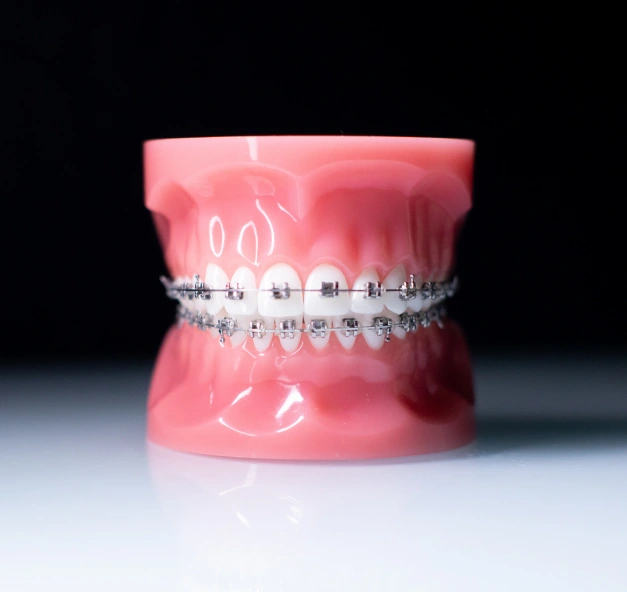
Reliable, Time-Tested Results for Every Smile
Traditional braces use metal brackets and archwires to gradually guide teeth into proper alignment, correcting everything from crowding and gaps to bite issues like overbites and underbites. Modern brackets are smaller and more comfortable than older versions, but the core technology remains proven, precise, and effective for even the most complex cases.
At Trapnell Orthodontics in Provo, we still recommend traditional braces often, not out of habit, but because they consistently deliver dependable results across a wide range of orthodontic needs. If you're comparing treatment options and want a method with a long track record, braces are worth a serious look.
Schedule a Braces Consultation
Why Patients Still Choose Metal Braces
Traditional braces continue to be a reliable choice for patients who need consistent tooth movement and bite correction. Their proven design, durability, and ability to manage a wide range of orthodontic concerns make them a preferred option for many smiles.
- Today's braces use high-grade stainless steel components that are smaller, sturdier, and considerably more comfortable than the bulkier designs of decades past.
- Severe crowding, significant bite misalignment, and multi-tooth movement often respond best to the control traditional braces provide.
- Unlike removable options, braces stay on and keep working around the clock, without relying on patients to wear them for a set number of hours each day.
- Patients can choose the color of their elastic bands at every adjustment visit, a small detail that makes treatment more enjoyable, especially for younger patients.
Conditions Traditional Braces Can Correct
Braces remain one of the most versatile orthodontic treatments available, capable of addressing both minor cosmetic concerns and more involved bite issues, including:

Underbites
when the lower jaw and teeth sit forward of the upper teeth

Overbites
when upper front teeth extend too far over the lower teeth

Crossbites
when upper and lower teeth don't align properly when biting down

Crooked or crowded teeth
when there isn't enough space for teeth to sit straight
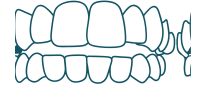
Malocclusions and other bite irregularities
broader bite irregularities that affect chewing, speech, or jaw comfort
Because braces apply constant, controlled pressure, they're often the recommended treatment when a case calls for more than cosmetic straightening alone.
What Treatment Looks Like
Getting braces is a straightforward process, but knowing what to expect at each stage makes the experience feel a lot less unfamiliar.
1
Initial Consultation and Records
We evaluate your teeth and bite, take any necessary X-rays or scans, and confirm that traditional braces are the right fit for your goals.
2
Custom Treatment Planning
Using your records, we map out how your teeth need to move and roughly how long that process should take.
3
Bonding Day
Brackets are bonded to each tooth, and an archwire is threaded through and secured. This appointment typically takes under two hours and isn't painful, though the area may feel unfamiliar for a day or so.
4
Regular Adjustments
Every five to eight weeks, we'll swap or tighten your archwire to keep your teeth moving according to plan.
5
Monitoring Progress
Throughout treatment, we track how your bite and alignment are responding, making small adjustments to the plan as needed.
6
Debonding and Retainers
Once your teeth reach their final position, we remove the brackets and fit you for a retainer to help maintain your results long-term.
Who Should Consider Traditional Braces
Traditional braces work well for patients of nearly any age, from kids getting their first phase of treatment to adults addressing issues they've lived with for years. They're often the recommended option for more involved cases, including significant crowding, rotated teeth, or bite problems that need precise, consistent force to correct. If a previous evaluation mentioned that your case needs a high level of control, braces are frequently the answer.
Ready to Start Your Journey Toward a Straighter Smile?
Traditional braces have helped patients achieve lasting, confident smiles for decades, and our Provo team is ready to help you get started. Book your consultation today and find out what braces could do for your smile.
REQUEST AN APPOINTMENT